

7 Bodybuilding Competition Sponsorship Opportunities

Last Updated: November 14, 2026
Quick Summary
Bodybuilding competition sponsorship opportunities come in two forms: cash deals that pay you directly and in-kind product support that covers what you would otherwise buy. Most athletes start with product support and graduate to cash, so build a one-page athlete profile and pitch brands already active in physique sports.
Event organizers sell sponsorship in tiers: title, presenting, and booth sponsorships.
Build a four-to-six page media kit PDF and attach it to every outreach email.
Send one follow-up after five to seven business days, then move on.
Read every contract for term length, deliverables, and exclusivity before signing.
Report impressions, engagement rate, code redemptions, link clicks, and completed deliverables monthly.
Ready to compete and land your first sponsor?
WPF USA offers competition categories for all ages, youth scholarships, and cash prizes.
Table of Contents
Types of Bodybuilding Competition Sponsorship Opportunities
Bodybuilding competition sponsorship opportunities come in two broad forms: cash deals that pay you directly, and in-kind support that covers what you would otherwise buy. Most athletes start with the second and graduate to the first.
Sponsorship is a business arrangement where a brand funds or supplies an athlete in exchange for promotion and visibility. The athlete gets financial or product support; the sponsor gets brand exposure to a targeted fitness audience.
Cash Sponsorship vs. In-Kind Product Support
Cash sponsorship puts money in your hand. You can spend it on show fees, travel, or tanning. It is the hardest type to land because the sponsor needs a clear return.
In-kind support arrives as product: supplements, apparel, tanning sessions, or pre-workout. A common mistake is treating product support as a lesser deal.
Title, Presenting, and Booth Sponsorship Tiers
Event organizers sell sponsorship in tiers. A title sponsor gets naming rights and top billing. A presenting sponsor gets prominent placement without the title. A booth sponsor or vendor booth buys floor space to sell and sample on show day.
For athletes, these tiers matter because event sponsorship money funds the prize pool you compete for. Understand the structure and you understand where the money flows.
How to Get a Bodybuilding Sponsor: A Step-by-Step Approach
The fastest route to a bodybuilding sponsor is a specific, prepared pitch backed by a clean athlete profile. Sponsors do not discover athletes by accident.
Here is the sequence we recommend:
Define your category and results. List your division, placements, and upcoming shows.
Build a one-page athlete profile. Photo, stats, competition history, social reach.
Identify brands already active in physique sports. Supplements, apparel, tanning, gyms.
Match your audience to their customer. A natural competitor fits a natural-focused brand.
Send a short pitch with one clear ask. Product support first, cash later.
Follow up once, then move on. Silence is an answer.
Deliver what you promised. Post, tag, and report back.
If you want to see the platform you would be representing, review the plans and pricing to understand what you can offer a sponsor.
Here is the outreach sequence we recommend for landing a bodybuilding sponsor.
Step | What to do |
1 | Define your category and results |
2 | Build a one-page athlete profile |
3 | Identify brands already active in physique sports |
4 | Match your audience to their customer |
5 | Send a short pitch with one clear ask |
6 | Follow up once, then move on |
7 | Deliver what you promised |
Building a Bodybuilding Sponsorship Proposal That Gets Read
A bodybuilding sponsorship proposal is a short document that connects your audience to a sponsor's sales goal. It is not a biography. It is a business case.

The Athlete Media Kit: What Goes In It
A media kit is the reusable asset behind every pitch. Build it once, update it each season, and attach it to every outreach email. A working kit contains:
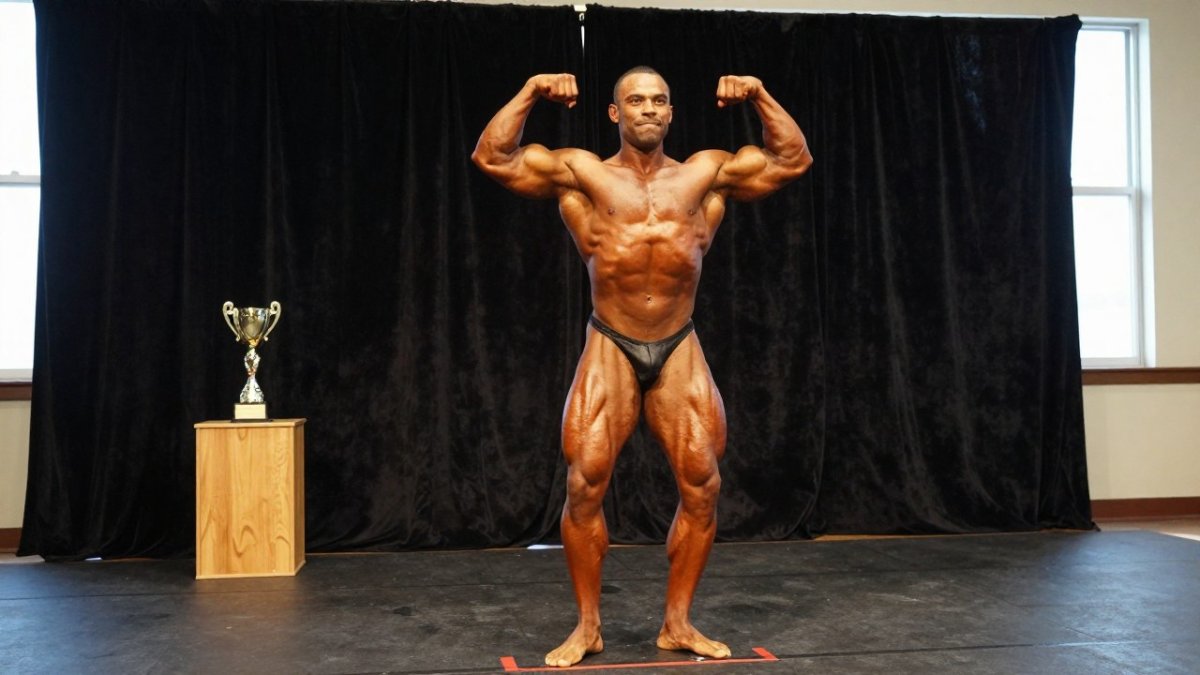
Cover page: name, division, federation, hometown, and one strong stage photo.
Athlete snapshot: height, weight class, years training, competition history with placements and dates.
Audience data: follower counts by platform, average reach per post, engagement rate, and audience demographics (age range, gender split, top locations) pulled from each platform's native analytics.
Keep the kit to four to six pages as a PDF. Name the file with your name and season so it does not get lost in a downloads folder.
Structuring the Pitch
Lead with what the sponsor gets, not what you need. A pitch that survives an internal forward has four parts:
The hook: one sentence tying your audience to their product category.
The fit: why this brand, specifically, reference a product you already use or a campaign they run.
The offer: the exact deliverables and the term length.
The ask: one clear next step, usually a 15-minute call.
What most guides miss is the ask. Vague proposals fail. "I'm looking for sponsorship" gets ignored. "I will wear your apparel at three shows and post twice per event" gets a reply.
Use this pitch template:
Subject: Sponsorship proposal, [Your Name], [Division] competitor Hi [Name], I compete in [division] and will be on stage at [event] on [date]. My audience is [size] followers focused on [topic]. I am proposing a [product/cash] partnership. In return I will [deliverable 1], [deliverable 2], and [deliverable 3]. My one-page profile is attached. Would a short call next week make sense?
Follow-Up Cadence
One follow-up is standard; more than two reads as pressure. A common pattern is to send the pitch, wait five to seven business days, send a single short follow-up that adds one new piece of information (an upcoming show date or a fresh audience stat), then close the loop and move on. Track every send in a simple spreadsheet so you are not pitching the same brand twice in a season.
Watch out: attaching a file over 10 MB or sending a link that requires a login will kill an otherwise strong pitch, most brand managers review on mobile between meetings.
If you want to see the platform you would be representing, review the plans and pricing to understand what you can offer a sponsor.
What Sponsors Provide and What Athletes Give in Return
Sponsors provide money, product, and promotion. Athletes provide visibility, credibility, and content. The deal works when both sides get more than they give.
Show Fees, Competition Expenses, and Product Support
Competition expenses add up fast: entry fees, membership, tanning, travel, and stage wear. Product support offsets part of that. A supplement sponsor who covers your pre-workout and protein is quietly funding your prep.
Cash sponsorship usually targets the biggest line items. Ask what the sponsor will cover before you ask for a number.
Brand Representation and Sponsor Benefits
Brand representation means you show up as the sponsor's face: logo on your suit, tagged posts, and mentions at events. Sponsor benefits include reach, impressions, and engagement with fitness fans who buy what they sell.
A common mistake is overpromising reach. Report honest numbers and the relationship lasts.
Bodybuilding Competition Cash Prizes: What Athletes Can Realistically Earn
Cash prizes at bodybuilding competitions vary widely by event size and sponsor backing. Cash prize amounts vary by event size and sponsor backing. Check with the event organizer for the payout structure of a specific show.
For a deeper look at how payouts work, read how to win bodybuilding cash prizes.
Contracts, Disclosure, and Exclusivity: What to Check Before You Sign
Read every sponsorship contract for three things: term length, deliverables, and exclusivity. An exclusive sponsorship bars you from working with competing brands, sometimes across an entire category. That can cost you a better deal later.
Check the exit terms in any exclusivity clause before you sign.
Disclosure matters too. Paid partnerships must be disclosed clearly, and the Federal Trade Commission endorsements guide explains what counts. Before committing to any federation's rules, read what actually matters when joining a bodybuilding federation.
Measuring Sponsor Return on Investment and Negotiating Value
Sponsors renew when they can see return on investment. The problem is that most athletes report vanity numbers, follower counts and likes, while brand managers are judged on sales, leads, and cost per acquisition. Closing that gap is what turns a one-season deal into a multi-year one.
The Metrics That Actually Matter
Track two layers of data: reach metrics that show exposure, and conversion metrics that show business impact. Pull reach numbers from each platform's native analytics and conversion numbers from the tools below.
Impressions and reach: total views of posts and stories that include the sponsor's logo or tag.
Engagement rate: engagements divided by reach, reported per platform rather than blended.
Discount-code redemptions: issue a unique code per sponsor and per show so redemptions are attributable.
A simple monthly one-page report, impressions, engagement rate, code redemptions, link clicks, and deliverables completed, is enough to keep a sponsor informed and to build the case at renewal.
Valuing Your Deliverables
Before you negotiate, put a number on what you are offering. A common practitioner approach is to price each deliverable individually and sum them into a package:
Stage logo placement: value it against the audience size at the event and the number of shows in the term.
Feed posts and stories: value against your average reach per post, not your follower count.
Discount code: value against expected redemptions multiplied by the sponsor's average order value.
This gives you a defensible starting number and a floor. It also lets you trade deliverables, dropping one appearance to add two posts, without renegotiating the whole deal.
Negotiating Cash Versus Product
Cash and product are not interchangeable, and the trade-off should be explicit. Product support is easier for a brand to approve and often covers real prep costs (protein, pre-workout, tanning, apparel).
When a sponsor offers product only, ask whether the product can be shipped on a schedule that matches your prep rather than in one lump sum.
Setting Terms Before You Sign
Negotiation is not just the number, it is the terms around it. Confirm in writing:
Payment timing: net 30 is common; ask what triggers payment and when.
Deliverable schedule: dates for posts, appearances, and stage placements.
Usage rights: how long the sponsor can use your image and content, and on which channels.
Watch out: agreeing to a broad exclusivity clause for a small product deal can block a larger cash offer for the full term, price exclusivity separately or shorten its window.
Bring your data to the renewal conversation.
For event organizers, the same logic applies. Sponsorship packages sell when you can show a sponsor the audience they reach and the conversions their booth or code produced.
Submit Your Sponsorship Profile to WPF USA
WPF USA is a federation built for athletes at every stage, from youth categories to Grand Masters.
If you are ready to compete and build a sponsorship case, start by reviewing the events calendar to pick your target shows.
The hardest part of sponsorship is not finding a brand. It is proving you are worth the investment before you have a track record.
Frequently Asked Questions
How do bodybuilding sponsorships work for competitors?
A bodybuilding sponsorship is an exchange: a brand gives an athlete cash, product support, or both, and the athlete gives back brand representation, social media promotion, and stage visibility. Athletes typically start by building a sponsorship profile that shows their competition history, audience reach, and physique photos, then pitch supplement companies, apparel brands, and local gyms. In-kind support like pre-workout and supplements is more common at the amateur level, while cash sponsorship usually grows with an athlete's competition record and following.
Do bodybuilding competitions offer cash prizes?
Many do, but the amounts vary widely by event and federation. Local shows often pay modest sums or award prizes like supplements and equipment, while larger events and international competitions carry bigger bodybuilding competition cash prizes. WPF USA provides cash prizes and youth scholarships as part of its platform. Ask the promoter directly what the payout structure is before you register, and factor prize money into your budget alongside show fees, tanning, and travel.
How do you approach a company for bodybuilding sponsorship?
Start with brands whose products you already use and can speak about honestly. Send a short email with a one-page sponsorship proposal attached: your athlete profile, competition schedule, audience numbers, and the specific deliverables you offer, such as stage logo placement or monthly social posts. Follow up once after a week. Smaller supplement shops, local gyms, and apparel brands are more likely to say yes to first-time competitors than national companies, and a single yes builds the credibility for the next pitch.
What should a bodybuilding sponsorship proposal include?
A sponsorship proposal should cover your athlete profile, competition history, upcoming show schedule, audience size and engagement across social channels, and a clear list of what the sponsor receives: brand exposure on stage, posts, referrals, and event appearances. Add a simple tier structure so the sponsor can choose a level, and include a short section on how you will report results. Keep it to one or two pages. Sponsors read dozens of these, so specificity about reach and deliverables matters more than length.

Comments